
Huatulco
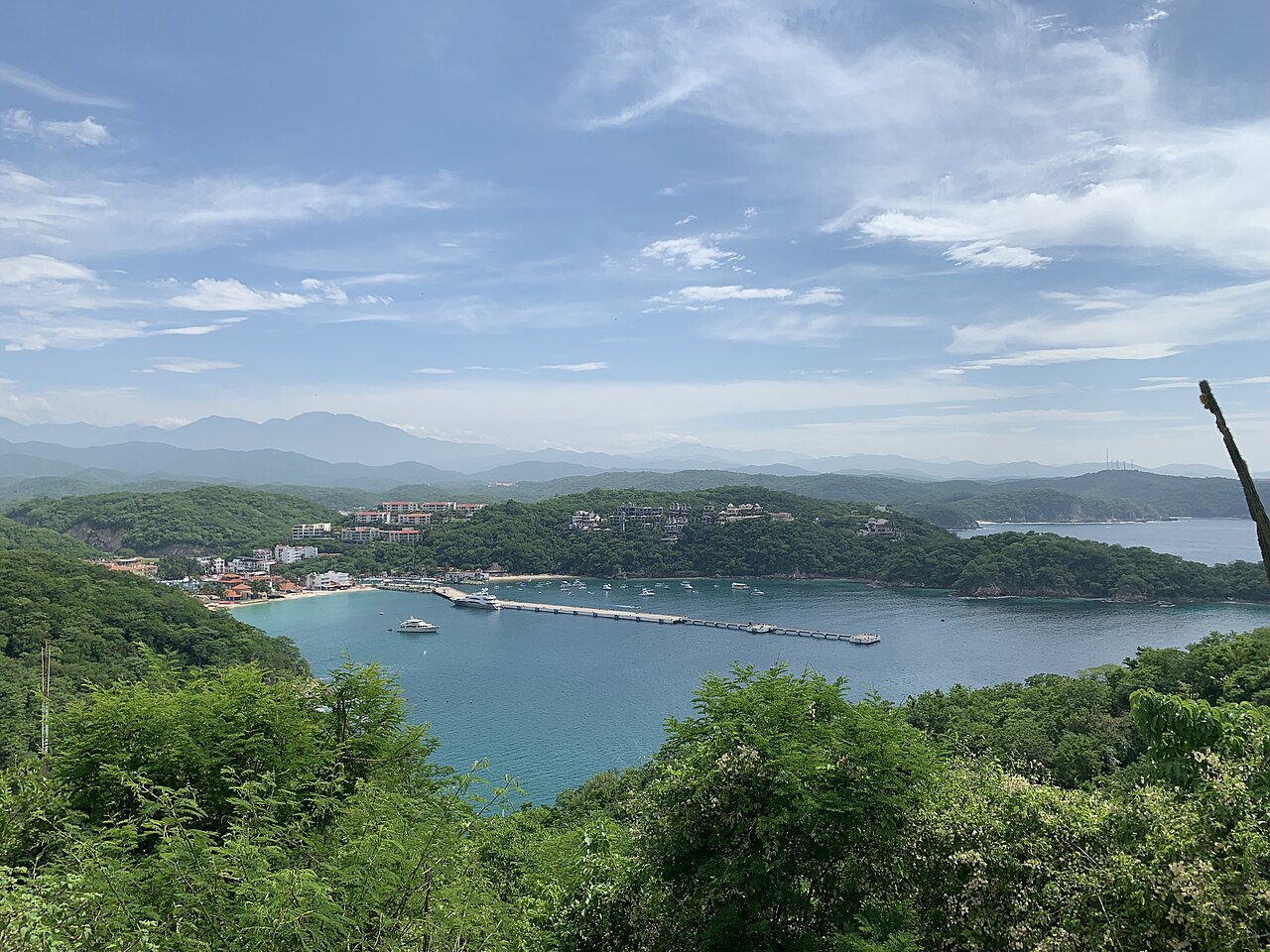
Photo: Arturo Alcalá Hernández · Source · CC BY-SA 4.0. Resized/cropped; same image licence.

- Best Snowmad months
- December–March
- Estimated couple budget
- $3,800–$6,200 CAD/month
- Best for
- Heat-loving Snowmads seeking a relaxed, independent Pacific-coast routine
- Watch for
- Midday heat, healthcare limitations, utility charges and bays spread across the coast
Planning estimate, October 2026: monthly living costs for a furnished studio/one-bedroom stay of 1–3 months, including utilities, groceries, some dining and local transport. Flights, travel insurance, visa fees, paid medical care, deposits and major excursions are extra. Actual prices and availability vary.
Winter living: Huatulco
On Oaxaca’s Pacific coast, Huatulco covers several distinct areas. This assessment focuses on independent winter living around La Crucecita, Santa Cruz and Chahué, rather than treating every bay or resort as interchangeable.
The Snowmad scorecard
These are editorial assessments for Canadians considering several weeks or months abroad. Each category is worth ten points. The scores are conversation starters, not guarantees or a claim that we have personally lived in every destination.
Winter weather: 10/10
Hot, generally dry winter weather delivers proper tropical warmth. Heat-sensitive travellers should plan morning errands, shade and adequate air conditioning.
Long-stay accommodation: 8/10
Furnished apartments and condos make a kitchen-based winter practical. Verify the grocery route, stairs, Wi-Fi, electricity charges and air conditioning before committing.
Cost of living: 8/10
Cooking and local restaurants can support good value. A beach-adjacent condo, utilities and transport may change the budget quickly.
Getting there: 7/10
The international airport and established winter market make access manageable. Check actual seasonal frequency and both outward and return journeys from your home airport.
Entry and length of stay: 9/10
Plan the authorized length of stay before booking a full winter. Permission at entry determines your actual allowance; do not assume the maximum possible tourist stay is guaranteed.
Healthcare access: 6/10
Confirm local medical services, specialist access and the arrangements for a serious emergency. Insurance and a clear plan matter more than assuming all care will be available nearby.
Safety and stability: 7/10
Check current regional travel advice, rental security and reputable transportation. The Pacific also requires attention: a beautiful beach is not automatically a safe swimming beach.
Daily life without a car: 7/10
A carefully chosen central base can support walking, with taxis between areas. The bays are spread out, and an afternoon walk in the heat is different from a short map distance.
Lifestyle and experience: 9/10
Beach outings, boats, nature and Oaxacan food suit a slower coastal routine. Travellers needing big-city variety every evening may prefer a different base.
Canadian Snowmad fit: 9/10
Warmth, self-catering accommodation and a relaxed lifestyle are the strengths. Healthcare planning, heat and address-dependent walkability are the main compromises.
Overall Snowmads score: 80/100
Who is it best for?
Heat-loving Snowmads seeking a relaxed, independent Pacific-coast routine.
What deserves a closer look?
Midday heat, healthcare limitations, utility charges and bays spread across the coast.
The Snowmad verdict
A warm coastal option where a well-chosen rental supports an easy everyday rhythm.
Before you book
Check current entry requirements, the permission covering your full intended stay and official regional travel advice before booking. Airline schedules, rental terms, healthcare access and local conditions can change. Confirm insurance and services relevant to your own needs.
Government of Canada: current travel advice and entry requirements
Help build the destination guide
Have you spent part of a winter here? Share your home base, length of stay, practical costs and what you would change in our scorecard with the Canadian Snowmads community. Our scorecard starts the conversation. The community’s experience builds the guide.