
Barbados — South Coast
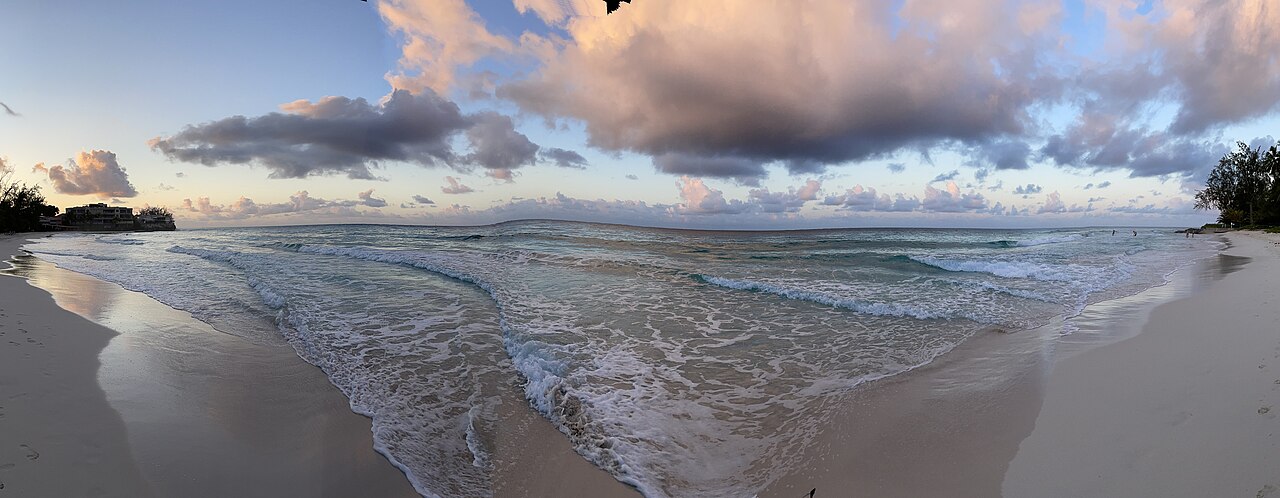
Photo: bongo vongo · Source · CC BY-SA 2.0. Resized/cropped; same image licence.
.jpg)
- Best Snowmad months
- January–March
- Estimated couple budget
- $5,500–$8,500 CAD/month
- Best for
- Snowmads who value tropical warmth, English-speaking life and nearby coastal amenities
- Watch for
- Island costs, peak-season rent, cooling charges and access to particular medical services
Planning estimate, October 2026: monthly living costs for a furnished studio/one-bedroom stay of 1–3 months, including utilities, groceries, some dining and local transport. Flights, travel insurance, visa fees, paid medical care, deposits and major excursions are extra. Actual prices and availability vary.
Winter living: Barbados — South Coast
This assessment focuses on Hastings, Rockley and Worthing on Barbados’ South Coast. The question is whether beach life, everyday amenities and English-speaking convenience can support several months within a comfortable budget.
The Snowmad scorecard
These are editorial assessments for Canadians considering several weeks or months abroad. Each category is worth ten points. The scores are conversation starters, not guarantees or a claim that we have personally lived in every destination.
Winter weather: 9/10
Tropical warmth and the generally drier winter season support outdoor living. Humidity, showers and changing sea conditions still require realistic expectations.
Long-stay accommodation: 7/10
Self-catering apartments make a longer stay practical, but peak-season rental costs multiply quickly. Confirm kitchen, laundry, cooling charges, noise and actual routes on foot.
Cost of living: 5/10
Imported groceries and regular dining out can be expensive. The appeal comes through lifestyle; substantial savings should be demonstrated with real prices rather than assumed.
Getting there: 8/10
Canadian flight options provide useful access, depending on your gateway and dates. Price the whole trip from home and check current schedules if family visits are planned.
Entry and length of stay: 9/10
Confirm the current tourist allowance and the actual permission granted on entry. Keep onward travel, accommodation and funds documentation ready as required.
Healthcare access: 7/10
Clinics and hospitals are available, with major services around Bridgetown. Particular treatment needs, payment procedures and evacuation arrangements deserve advance checking.
Safety and stability: 7/10
Take rental security, theft and local conditions seriously. Sensible transport after dark and attention to sea conditions are practical parts of a relaxed winter.
Daily life without a car: 8/10
The coastal amenities and public transport support a potentially workable car-free routine. Verify sidewalks, crossings and grocery routes rather than relying only on distance.
Lifestyle and experience: 9/10
Beach walks, Bajan food, music and local culture give substance beyond a postcard. English helps with errands and getting to know the community.
Canadian Snowmad fit: 8/10
Warmth, services and a convenient home base fit many Canadians well. Accommodation and grocery costs must leave enough budget to enjoy the winter once there.
Overall Snowmads score: 77/100
Who is it best for?
Snowmads who value tropical warmth, English-speaking life and nearby coastal amenities.
What deserves a closer look?
Island costs, peak-season rent, cooling charges and access to particular medical services.
The Snowmad verdict
An appealing seaside routine for households comfortable budgeting for island prices.
Before you book
Check current entry requirements, the permission covering your full intended stay and official regional travel advice before booking. Airline schedules, rental terms, healthcare access and local conditions can change. Confirm insurance and services relevant to your own needs.
Government of Canada: current travel advice and entry requirements
Help build the destination guide
Have you spent part of a winter here? Share your home base, length of stay, practical costs and what you would change in our scorecard with the Canadian Snowmads community. Our scorecard starts the conversation. The community’s experience builds the guide.