
Seville
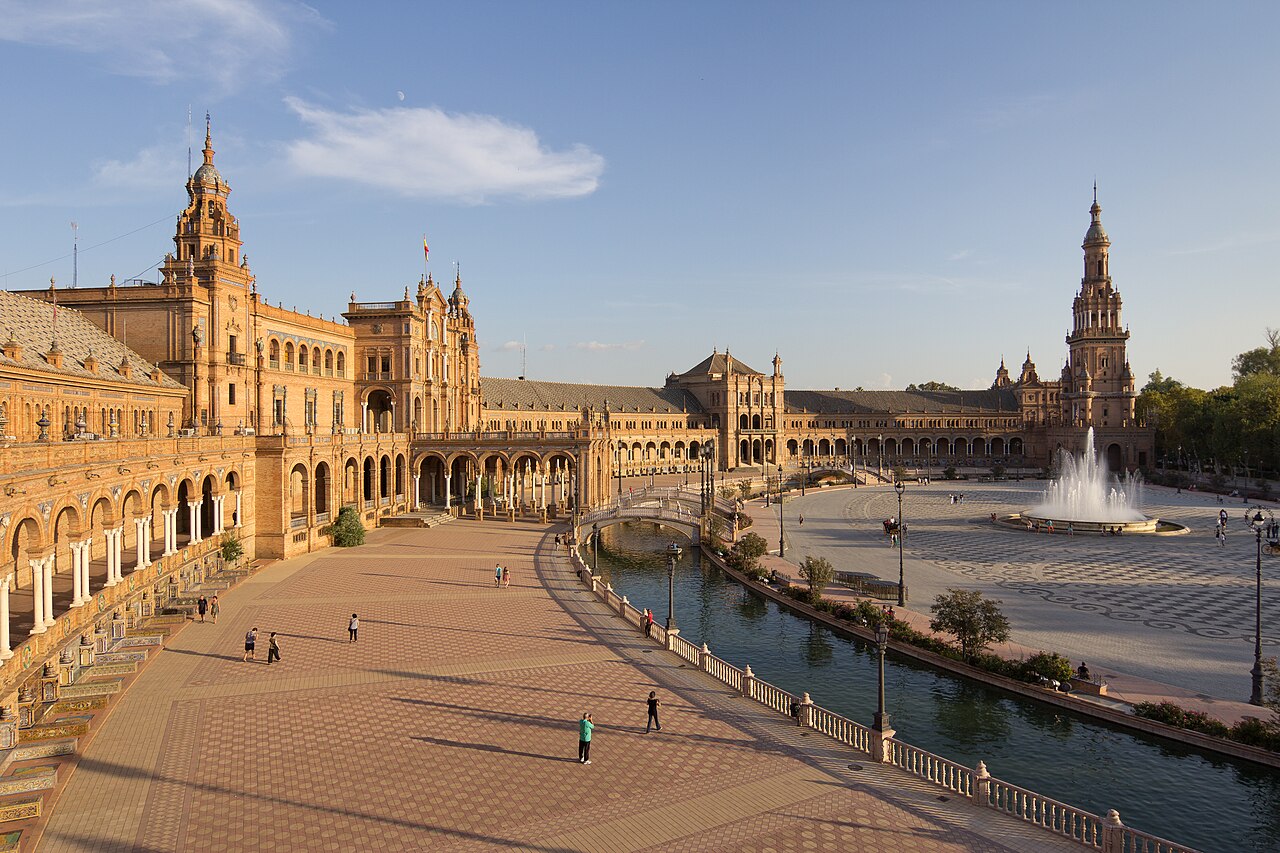
Photo: Carlos Delgado · Source · CC BY-SA 4.0. Resized/cropped; same image licence.
_-_01.jpg)
- Best Snowmad months
- March
- Estimated couple budget
- $3,800–$5,800 CAD/month
- Best for
- Car-free city lovers who value food, history, markets and neighbourhood life
- Watch for
- Cool evenings, rental heating, urban noise, stairs and shared Schengen time limits
Planning estimate, October 2026: monthly living costs for a furnished studio/one-bedroom stay of 1–3 months, including utilities, groceries, some dining and local transport. Flights, travel insurance, visa fees, paid medical care, deposits and major excursions are extra. Actual prices and availability vary.
Winter living: Seville
Seville offers a winter built around neighbourhood squares, markets, riverside walks and cultural discovery. It is an inland city routine rather than a beach escape, with enough everyday variety to reward an extended stay.
The Snowmad scorecard
These are editorial assessments for Canadians considering several weeks or months abroad. Each category is worth ten points. The scores are conversation starters, not guarantees or a claim that we have personally lived in every destination.
Winter weather: 7/10
Winter is gentler than Canada but still calls for layers, rainwear and comfortable evenings indoors. The weather suits exploring more reliably than daily poolside lounging.
Long-stay accommodation: 7/10
Furnished apartments can provide a proper neighbourhood home. Investigate heating, light, noise, stairs, laundry and whether included utilities have limits.
Cost of living: 8/10
Local groceries, cafés, public transport and some cooking support good city value. Furnished temporary accommodation must be priced on its own terms rather than ordinary residential rents.
Getting there: 8/10
Compare connecting flights to Seville with other Spanish gateways and onward trains. Include luggage, station transfers and arrival times in the full travel decision.
Entry and length of stay: 9/10
Spain shares the Schengen short-stay allowance with other participating countries. Track the full itinerary; moving countries or taking a short outside trip does not reset the clock.
Healthcare access: 9/10
A major city provides hospitals, specialist services, pharmacies and clinics. Check personal care needs, language support, medication and insurance arrangements.
Safety and stability: 8/10
Protect belongings in crowded areas and investigate rental payments carefully. Choose a comfortable route home and consult current official advice before travelling.
Daily life without a car: 9/10
Walking, buses, tram and metro support an appealing winter without a rental car. Historic paving and buildings with stairs still require a mobility check.
Lifestyle and experience: 10/10
Major sights, Triana, markets, flamenco and riverside walks give the city remarkable depth. The long-stay reward is finding familiar cafés and discovering neighbourhoods slowly.
Canadian Snowmad fit: 8/10
Seville fits people who value culture, food and a genuine urban routine. Cooler nights, some rain, noise and inland living are the compromises; some Spanish helps considerably.
Overall Snowmads score: 83/100
Who is it best for?
Car-free city lovers who value food, history, markets and neighbourhood life.
What deserves a closer look?
Cool evenings, rental heating, urban noise, stairs and shared Schengen time limits.
The Snowmad verdict
A rich cultural winter where the right apartment supports the life outside your front door.
Before you book
Check current entry requirements, the permission covering your full intended stay and official regional travel advice before booking. Airline schedules, rental terms, healthcare access and local conditions can change. Confirm insurance and services relevant to your own needs.
Government of Canada: current travel advice and entry requirements
Help build the destination guide
Have you spent part of a winter here? Share your home base, length of stay, practical costs and what you would change in our scorecard with the Canadian Snowmads community. Our scorecard starts the conversation. The community’s experience builds the guide.